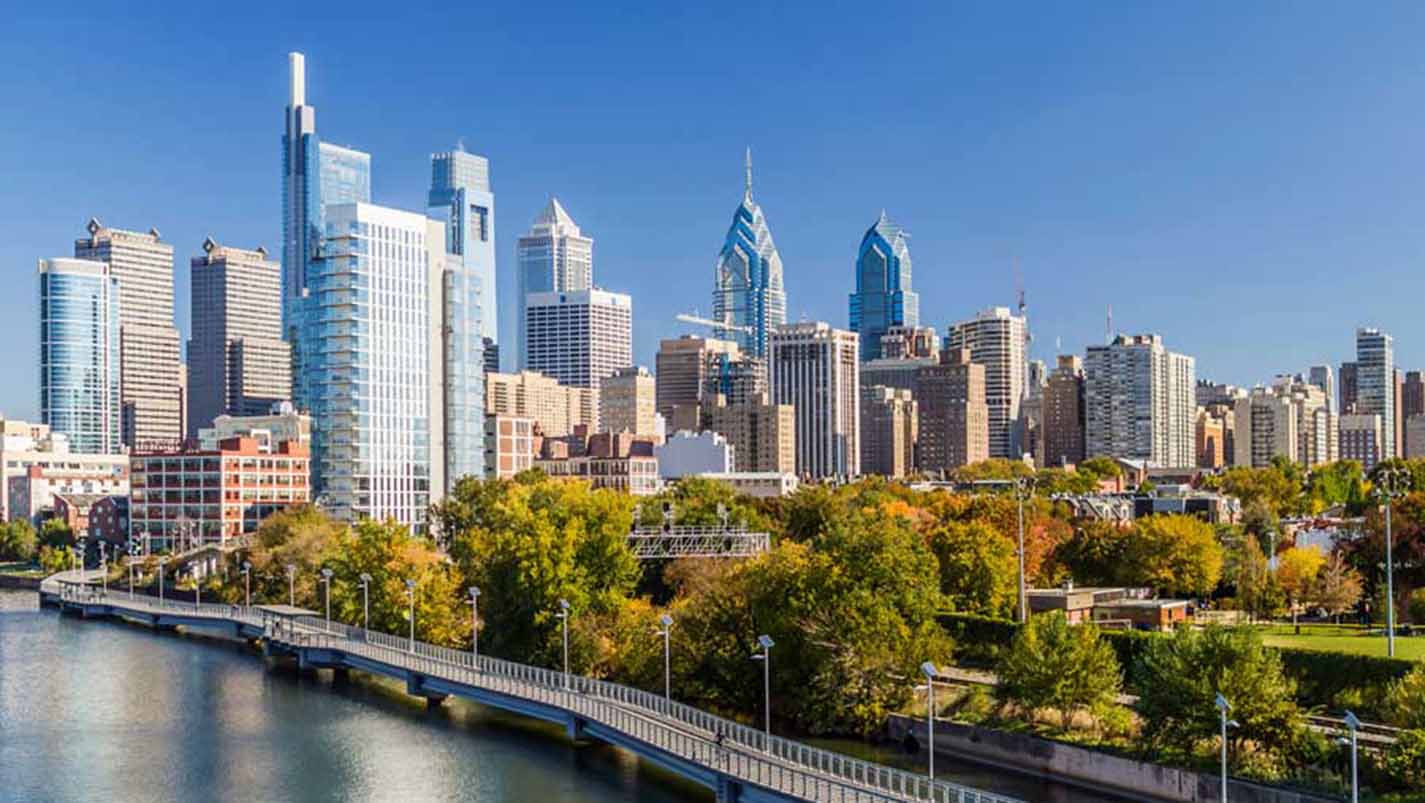
Philadelphia, with its rich history, vibrant neighborhoods, and eclectic mix of modern culture and classic charm, is a city that invites exploration. Whether you’re a first-time visitor drawn to the Liberty Bell or a returning traveler eager to rediscover its murals, museums, and hidden cafés, navigating Philadelphia efficiently can make or break your experience. During my recent trip, I realized that understanding local transportation is key to fully enjoying the city without the stress of getting lost or spending too much on rideshares. Here’s a detailed guide on how to get around Philadelphia easily, from public transport to walking routes, cycling options, and tips for budgeting your trips.
Exploring Downtown: Walking as Your First Choice
One of the first things I noticed when arriving in Philadelphia is how walkable the city center is. Center City, the heart of Philadelphia, hosts a dense cluster of attractions, restaurants, and shops, making walking not only feasible but enjoyable. Strolling down Market Street or Chestnut Street, you can effortlessly hop between iconic landmarks such as the Independence Hall, the Liberty Bell, and the Philadelphia Museum of Art.
Walking allows you to discover the smaller details often missed when using vehicles: a mural tucked into an alley, a charming coffee shop with locals chatting, or street musicians performing in the open plazas. I highly recommend wearing comfortable shoes and allowing at least half a day just to wander through Center City on foot. The feeling of exploring the city at a human pace is unmatched, and it’s the most cost-effective way to see a large portion of Philadelphia’s highlights.
SEPTA: Philadelphia’s Backbone of Public Transport
When distances get too long for walking, Philadelphia’s public transportation system, SEPTA (Southeastern Pennsylvania Transportation Authority), is incredibly reliable. SEPTA operates buses, trolleys, subways, and regional trains that connect different parts of the city and the suburbs.
Subway Lines
The subway consists of two main lines: the Market-Frankford Line, which runs east-west, and the Broad Street Line, running north-south. During my trip, I found these lines extremely convenient for getting to major attractions quickly. For example, the Broad Street Line will take you straight to the Philadelphia Museum of Art, while the Market-Frankford Line is perfect for exploring Reading Terminal Market and the historic Old City.
A tip: during peak times, trains can get crowded, so planning your trips a bit earlier or later than rush hour ensures a more comfortable ride. Additionally, the subway is perfect for hopping across the city without worrying about parking or traffic.
Buses and Trolleys
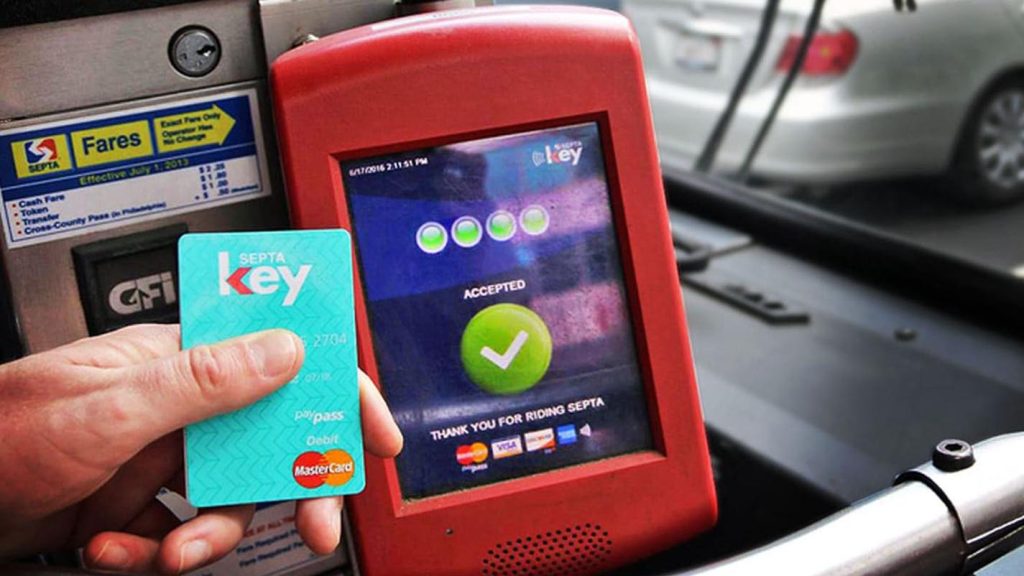
Buses and trolleys serve areas not covered by the subway, including South Philadelphia, West Philadelphia, and neighborhoods along the river. I personally enjoyed taking a trolley ride to South Street, an artsy area full of boutiques and restaurants. The buses are generally punctual, and the cost is reasonable. Using a SEPTA Key Card makes transferring between buses, trolleys, and the subway seamless and convenient.
Regional Rail
If you plan to explore the surrounding areas of Philadelphia, such as the historic towns of Chestnut Hill or the scenic suburbs along the Main Line, SEPTA’s regional rail is the best option. I took a short ride to nearby neighborhoods and appreciated the comfort and efficiency of the trains. The views along the way add a relaxing dimension to your trip, and it’s a great way to see parts of Philadelphia that most tourists overlook.
Biking Around Philadelphia: A Local’s Perspective
Philadelphia is increasingly becoming a bike-friendly city. The streets are often lined with bike lanes, and several neighborhoods have dedicated cycling paths. During my trip, I rented a bike for a day and discovered a completely different side of the city. Riding along the Schuylkill River Trail is one of the highlights: the path offers stunning views of the skyline and the river, perfect for both casual riders and photography enthusiasts.
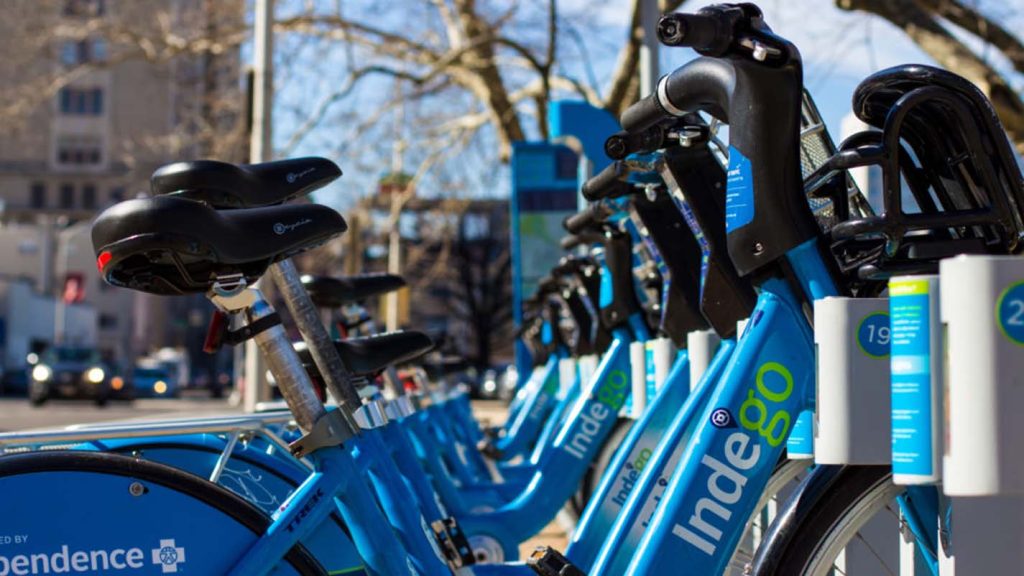
The city also offers Indego Bike Share, which allows you to rent bikes at multiple stations around Center City and return them at any other station. I found it incredibly convenient for short trips between attractions like Rittenhouse Square, the Franklin Institute, and University City. Pro tip: check the availability of docks and make sure to lock your bike properly to avoid fines or theft.
Taxis and Rideshares: Convenience at a Cost
For those moments when public transport or biking isn’t ideal, taxis and rideshare apps like Uber and Lyft provide convenient options. During rainy days or late evenings, I relied on rideshares to move comfortably between neighborhoods. While they are more expensive than public transport, they offer direct, door-to-door service and save time, especially if you’re traveling with luggage or in a group.
One thing I noticed is that downtown Philadelphia’s traffic can get heavy during peak hours, so while rideshares are convenient, plan accordingly if you’re on a schedule. Sharing rides with friends or using carpool options can make this more affordable.
Parking and Driving: When to Consider a Car
Philadelphia’s compact layout means that in most cases, driving is not necessary. However, if you plan to explore outer neighborhoods or nearby attractions outside the city, renting a car can be useful. Parking in Center City can be challenging and expensive, but many hotels offer valet or discounted parking. During my trip, I opted for a car only on days when I wanted to venture beyond the city limits, such as visiting Valley Forge or Longwood Gardens.
Tips for driving in Philadelphia: always check parking signs carefully, use apps to find available lots, and consider off-peak travel to avoid congestion on main streets like Broad Street and Market Street.
Airport Transfers: Smooth Arrival and Departure
Philadelphia International Airport is well-connected to the city center. The most budget-friendly option is SEPTA’s Airport Line, which drops you off in Center City in under 30 minutes. Taxis, rideshares, and hotel shuttles are also available for a more convenient but costlier ride. On my arrival day, I took the SEPTA train and enjoyed the ease of traveling without worrying about traffic or parking fees.
Tips for Travelers: Making Transportation Hassle-Free
- Purchase a SEPTA Key Card: It works for buses, trolleys, subways, and some regional trains. It’s a single card that makes transferring seamless and reduces the hassle of buying individual tickets.
- Plan Your Routes in Advance: Use apps like Google Maps or SEPTA’s own app to check schedules, delays, and transfers. This is especially helpful if you want to combine different transport modes in one day.
- Consider Walking and Cycling: Many attractions are clustered close together. Mixing walking and biking with public transport gives you flexibility and a richer experience.
- Budget for Rideshares When Needed: Keep in mind rainy days, late-night outings, or trips with luggage when public transport may be less convenient.
- Check Accessibility Options: SEPTA provides accessible services for travelers with mobility challenges. Plan ahead to ensure a smooth experience.
Personal Experience: A Day Using Multiple Transport Modes
During my visit, I started the day walking from my downtown hotel to Reading Terminal Market for breakfast. After exploring the market, I hopped on the subway to the Philadelphia Museum of Art. From there, I rented an Indego bike to cycle along the Schuylkill River Trail. In the evening, when the weather turned chilly, I used a rideshare to reach South Street for dinner. By mixing walking, public transport, cycling, and rideshares, I experienced the city efficiently without stress and without spending too much.
This combination gave me flexibility, a sense of adventure, and the ability to adapt to weather, timing, and energy levels. I truly felt like a local navigating the city rather than a tourist confined to a few streets.
Enjoy Philadelphia Without Transportation Worries
Philadelphia’s transportation options are varied, efficient, and accessible for every type of traveler. From the convenience of walking in the city center to the reliability of SEPTA’s trains and buses, the joy of cycling along scenic trails, and the occasional comfort of rideshares, getting around the city can be smooth, stress-free, and even enjoyable. Each mode of transportation offers a unique perspective: walking lets you notice charming street art and hidden cafés; cycling along the Schuylkill River provides breathtaking skyline views; while the subway and buses allow you to cover longer distances quickly, giving you more time to explore cultural landmarks and historic sites.
By planning ahead, combining multiple modes of transport, and staying flexible, you can make the most of every hour in Philadelphia. I always recommend embracing the journey itself—whether it’s a brief subway ride under the bustling streets, a peaceful pedal along a tree-lined riverside trail, or a slow stroll through cobblestone alleys dotted with colonial-era architecture. The city reveals new surprises depending on how you choose to travel, from lively neighborhoods to tranquil corners often missed by first-time visitors.
Philadelphia is a city that rewards curiosity and openness, and understanding local transportation is the key to experiencing it fully. When you move around with ease, you can focus on the real joy of the city: tasting its diverse cuisine, discovering its hidden art murals, and soaking in its rich history. With the right approach to getting around, every trip in Philadelphia feels effortless, adventurous, and unforgettable.
Tags: Indego Bike Share, Purchase a SEPTA Key Card, SEPTA