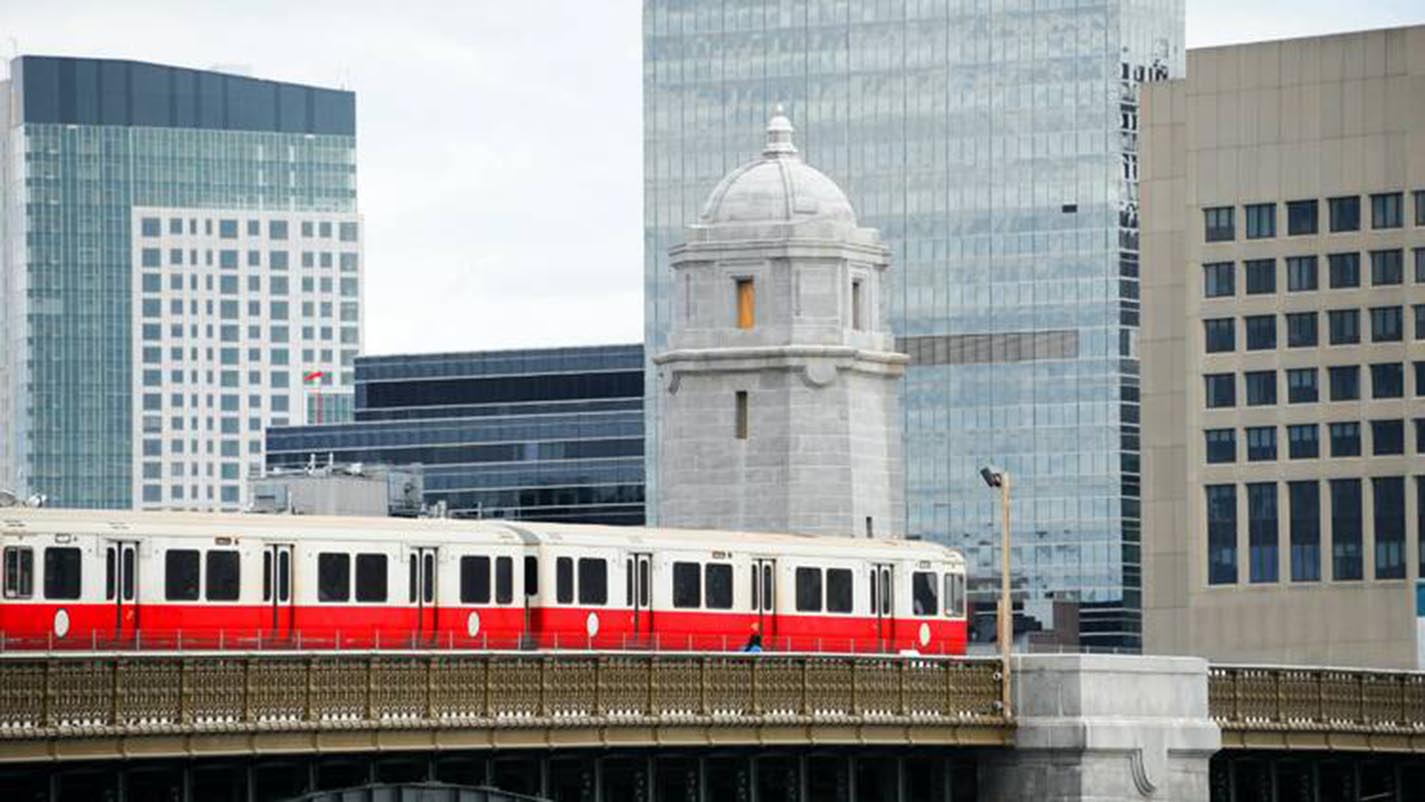
Boston is one of the oldest and most vibrant cities in the United States, with a unique blend of historic charm and modern convenience. Whether you’re visiting the Freedom Trail, attending an event at Fenway Park, or exploring the eclectic neighborhoods, getting around the city efficiently is a key part of making the most out of your trip. Boston is known for its compact layout and walkable streets, but relying solely on foot isn’t always practical. Thankfully, the city offers a diverse range of transportation options: the subway (known locally as the “T”), an extensive bus system, and plenty of opportunities for renting cars if you need extra flexibility.
This comprehensive guide will walk you through everything you need to know about navigating Boston’s transportation system, so you can move seamlessly from one neighborhood to the next.
1. Understanding the MBTA – Boston’s Public Transit System
Boston’s public transit network is managed by the Massachusetts Bay Transportation Authority (MBTA), more commonly known as the “T.” It’s one of the oldest subway systems in America and remains the backbone of the city’s public transportation.
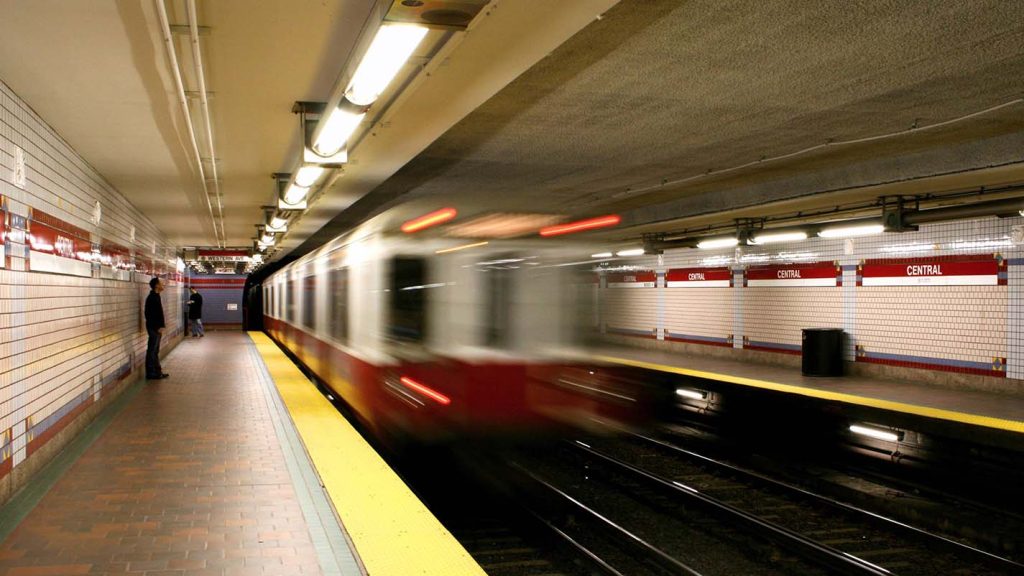
The Subway (The T)
The T has five main lines, each color-coded for convenience:
- Red Line: Connects Cambridge (Harvard, MIT, Kendall Square) with downtown Boston and extends south to Quincy and Braintree.
- Green Line: Runs west toward Boston College, Allston, and Brookline. It’s the line most associated with Fenway Park.
- Orange Line: Runs from Malden in the north to Jamaica Plain in the south, covering central areas like Chinatown and Back Bay.
- Blue Line: Extends from East Boston and Logan International Airport to downtown, making it ideal for airport transfers.
- Silver Line: A bus rapid transit line, useful for airport access and connections to the Seaport District.
Fares are generally affordable, and travelers can purchase a CharlieCard or CharlieTicket for convenience. The CharlieCard offers discounted rides and can be easily reloaded. For short stays, a 7-day pass is often the most economical choice, giving unlimited rides on subways and buses.
Pros of Using the Subway
- Quick access to major attractions.
- Affordable and easy to navigate.
- Frequent service in central areas.
Challenges of the Subway
- Some older stations lack modern facilities like elevators.
- Occasional delays, particularly during rush hours.
- Limited late-night service compared to cities like New York.
Still, for most visitors, the T is the most practical way to get around.
2. Exploring the Bus Network
Boston’s bus system is also operated by the MBTA and connects areas not served by the subway. With over 150 routes, the buses provide excellent coverage for neighborhoods outside the downtown core.
When to Use the Bus
- Reaching residential or suburban neighborhoods not accessible via the subway.
- Traveling to destinations like Chelsea, Watertown, or Newton.
- Making short trips where walking may not be practical.
Buses also accept CharlieCards and CharlieTickets, making transfers between subway and bus seamless.
Tips for Riding the Bus in Boston
- Always check real-time updates using the MBTA app or Google Maps to avoid long waits.
- Have your payment method ready to speed up boarding.
- During peak hours, buses can be crowded, so allow extra time for your journey.
While the bus network may not be as fast as the subway, it’s an essential supplement to the T, ensuring you can reach virtually any corner of Greater Boston.
3. Car Rentals – Flexibility Beyond the City
Although Boston is known for being a walkable city with strong public transportation, there are times when renting a car makes sense. If your itinerary includes day trips outside the city—such as Cape Cod, Salem, or the New England countryside—a car rental provides unmatched flexibility.
Where to Rent a Car
- Logan International Airport: The most convenient place for travelers flying in. All major rental companies, including Enterprise, Hertz, Avis, and Budget, have counters here.
- Downtown Boston: Rental offices are available in neighborhoods like Back Bay and the Financial District.
Driving in Boston – What You Should Know
Boston’s streets are famously narrow and sometimes confusing due to their colonial-era design. Here are key points to consider:
- Traffic: Rush hours (morning and late afternoon) can be particularly heavy. Plan extra time if driving during these periods.
- Parking: Street parking is limited and metered. Many visitors prefer to use paid parking garages.
- Tolls: Massachusetts uses an electronic toll system (E-ZPass). Rental companies often provide transponders, but check policies and fees in advance.
- Navigation: GPS is a must, as Boston’s street layout is notorious for unexpected turns and one-way roads.
Advantages of Renting a Car
- Ideal for day trips outside Boston.
- Flexibility in creating your own schedule.
- Comfortable for families or groups with luggage.
However, for exploring the city center itself, public transit is usually more practical and less stressful.
4. Airport Transfers and Getting to Boston
Arriving at Logan International Airport, you’ll find multiple ways to reach the city:
- Silver Line (SL1): A free bus service connecting Logan Airport with South Station, where you can transfer to the Red Line.
- Blue Line: Take the airport shuttle to Airport Station and continue on the Blue Line into downtown.
- Taxi or Rideshare: Uber and Lyft are widely available but can be costly during peak times.
- Rental Cars: On-site facilities make renting straightforward if you plan to travel outside Boston immediately.
For most travelers, the Silver Line is the most economical and efficient choice.
5. Walking and Biking Around Boston
One of Boston’s greatest strengths is its walkability. Many attractions, from Boston Common to Quincy Market and the North End, are within walking distance of each other. Exploring on foot allows you to appreciate the city’s historic architecture, cobblestone streets, and vibrant neighborhoods.
If you prefer biking, Boston has made significant strides in becoming more bike-friendly. The Bluebikes program offers affordable bike-sharing, with hundreds of docking stations across the city. This is an excellent option for short rides or exploring areas like the Charles River Esplanade.
6. Rideshares and Taxis
In addition to public transit, rideshare services such as Uber and Lyft are widely available. Taxis are also an option, though generally more expensive.
Rideshares are particularly useful if:
- You’re traveling late at night when the subway isn’t running.
- You have heavy luggage.
- You’re heading to areas not well served by buses or trains.
While convenient, rideshares can become costly if used frequently, so balancing them with public transit is usually the best approach.
7. Accessibility and Traveler Tips
Boston has made progress in accessibility, but not all stations are fully modernized. Visitors with mobility concerns should plan routes carefully and consult the MBTA website for accessibility details.
Here are some additional traveler-friendly tips:
- Plan ahead: Use apps like Google Maps or the MBTA’s own app for real-time schedules.
- Avoid rush hour: If possible, travel outside peak commuting times for a more comfortable experience.
- Combine options: Don’t rely solely on one mode of transport—mix subway, bus, and walking for efficiency.
- Day trips: Consider using a car rental only when heading outside the city.
8. Recommended Itineraries Based on Transportation
To put it all together, here are a few sample ways transportation enhances your Boston trip:
- Historic Downtown: Use the Red and Green Lines to access Boston Common, Beacon Hill, and Quincy Market, then walk between sites.
- Fenway Park and Museums: Take the Green Line to Kenmore for baseball games or cultural attractions like the Museum of Fine Arts.
- Harbor and Seaport District: The Silver Line makes this area accessible, with waterfront views and dining.
- Day Trips: Rent a car for an excursion to Salem’s witch trial history, Cape Cod’s beaches, or the scenic towns of New Hampshire.

Navigating Boston doesn’t have to be overwhelming; in fact, with a bit of planning, getting around can feel like part of the adventure. The city’s MBTA subway system—affectionately called “the T”—connects most of the key neighborhoods, landmarks, and attractions, making it ideal for travelers who want to hop between historic sites, bustling shopping districts, and waterfront areas without worrying about parking. Buses fill in the gaps, offering access to charming corners of the city that the subway doesn’t reach, while commuter rail lines make it easy to take a spontaneous day trip to nearby coastal towns or scenic suburbs.
For those who love to explore at their own pace, Boston’s walkable layout and bike-friendly infrastructure are a dream. Strolling along cobblestone streets in Beacon Hill or biking the Charles River Esplanade provides a sense of immersion that no other mode of transportation can match. The city feels intimate when experienced this way, allowing you to slow down and savor the unique character of each neighborhood.
If your plans extend beyond Boston’s borders—to Cape Cod, the Berkshires, or even New Hampshire’s mountains—a rental car gives you freedom and flexibility. While driving in the city itself can be tricky due to narrow roads and limited parking, having a car makes longer adventures much more convenient.
The key is to mix and match: rely on public transit for urban exploration, choose walking or biking for authentic local moments, and reserve driving for when you’re venturing farther afield. By embracing Boston’s transportation options strategically, you’ll not only save time and money but also create a travel experience that feels effortless and deeply rewarding. Boston isn’t just easy to navigate—it’s a city that invites you to explore it fully, one thoughtful journey at a time.
Tags: Bus Network, Car Rentals, The Subway (The T)